
Winter has arrived
Garden Tasks, Plant Profile and Your Garden Questions Answered
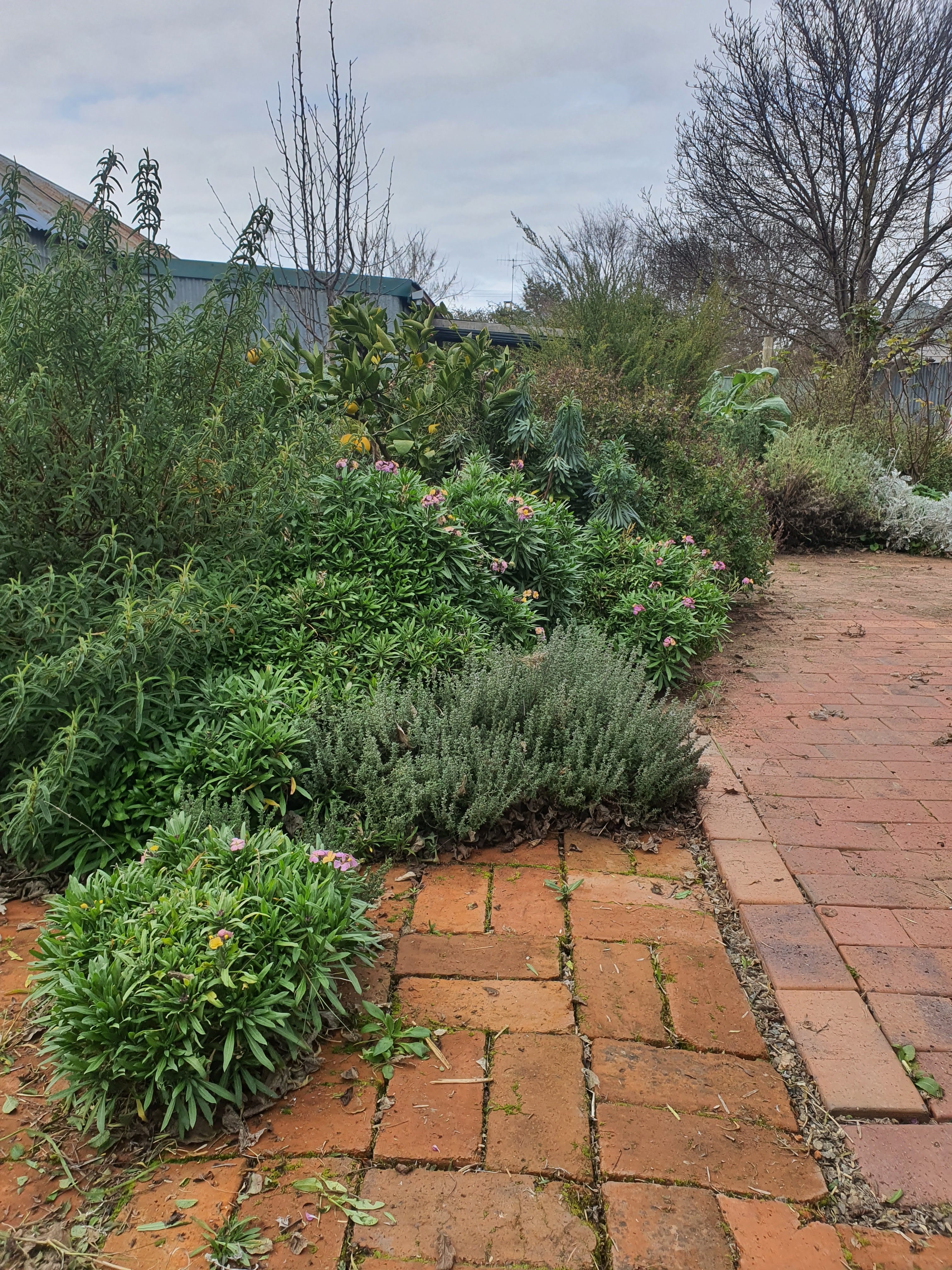
Hello Gardening Friends
Welcome to this week’s Dig Plant Grow Newsletter. Here in the Hilltops region the cold wet weather of winter has definitely arrived on time. It has been a juggle for us this week trying to get into our garden maintenance jobs and planting projects. We just had to give up outdoor on some days as we were making too much mess and getting very wet. On these days both Phil and I just had to retire to the office. Phil always has his lawn You Tube videos to edit and I always have something to do. Whether its office admin, organising life, writing my book or trying to pull together content ideas for here on substack or instagram. Anyone who owns a business will know there is always something to be done. I cannot ever remember a wet weather day where there wasn’t a list of work tasks to wade through. Small business ownership is definitely not for anyone who wants to have spare time to enjoy! I’m not complaining. 20 years in and I still love it.
If you would like to check out Phil’s Lawn You Tube channel you can find him here - The Down Under Lawn on You Tube or on his instagram or facebook pages. He is a lawn fanatic and has brilliant information on lawn care, lawn tools and lawn products for you to learn from on all of his channels.
In this week’s newsletter we have my monthly garden tasks, a plant profile of one of my favourite flowering plants for this time of year and I answer your garden questions. If you have any garden questions you would like answered in next week’s garden Q and A, please email them through to me.
Hopefully we will have some sunshine to enjoy in coming days.
Happy Gardening
Glenice
Garden Tasks For Early Winter
A comprehensive list of your monthly garden tasks
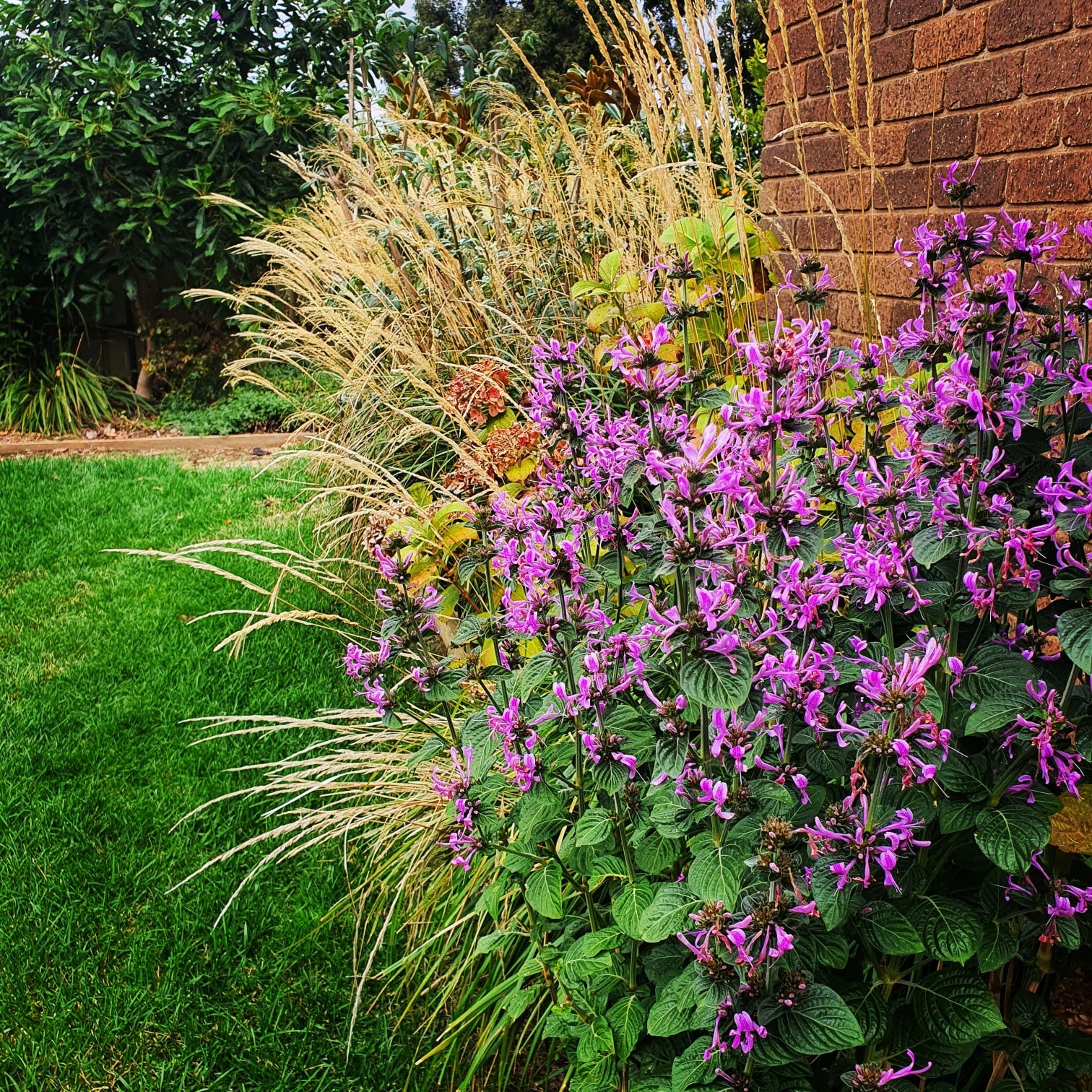
Winter has arrived. I can never really explain it but Winter for me is an energising and inspirational time in the garden even if it is pouring with rain. Probably the part I love the most is the coolers temperatures we experience here in the Hilltops region. I don’t mind layering up with thermals, woollen jumpers, polar fleeces or a Drizabone and gumboots to get out in the garden. I just seem to achieve so much more in a day compared to the hot sweaty weather in Summer. Hopefully you feel the same because now is the time to take advantage of the cooler temperature as the growth on the plants, trees, lawns and even weeds is really slowing down. You now have a bit of time on your side to get ahead with all things in the garden.
Here are some early winter garden tasks along with some specific planting ideas for the winter garden.
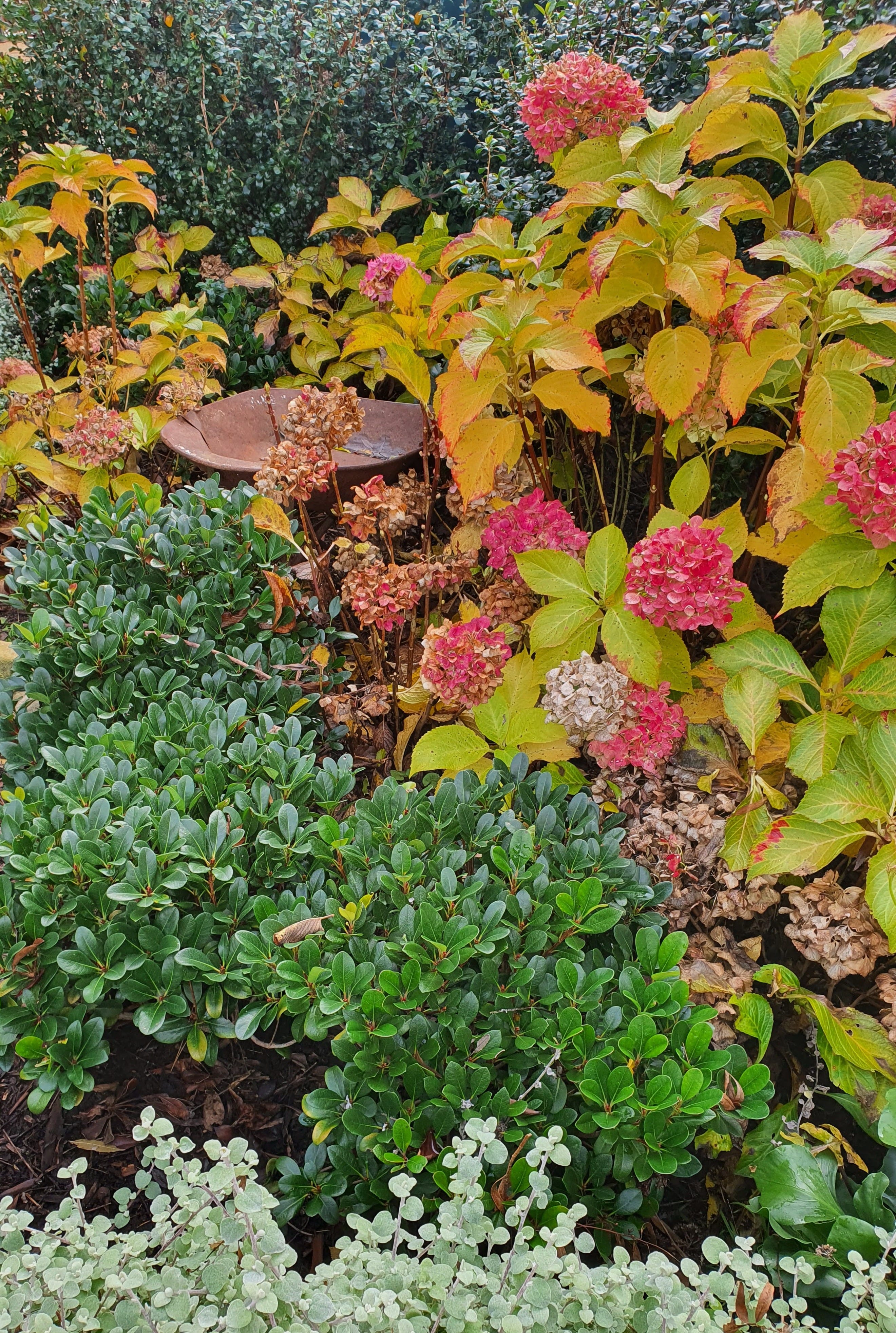
Now is the time to prune Hydrangeas and other deciduous shrubs such as May Bush and Buddleias.
We are yet to receive much frost so we will be feeding out lawns with a liquid fertiliser high in nitrogen. This will strength the roots and help maintain some green - ness to the lawn. There is no point in using a granular fertiliser at this time on the lawn as it won’t be taken up quick enough before a frost.
It is time to prune your stone fruit trees such as Cherries and Peaches
Protect any frost tender plants – see Feature on Frost in previous posts.
Start preparing garden beds for bare rooted trees and roses. They should all be available in coming weeks. Dig through organic garden compost or composted animal manure to build up the soil.
Continue to mulch all garden areas as mentioned last month it is good to do this after fertilising beds. Giving the beds a blanket of mulch now will help protect plants from frost damage, suppress weed growth and prepare them for the start of spring. If you do have lots of fallen deciduous leaves don’t forget you can use these as mulch, ideally compost first.
Garden Planting Ideas
For a splash of colour through the cooler months plant out a mix of flowering annuals such Violas species such as Pansy. Their happy faces bring a lovely pop of colour to your garden. You can also use Calendula.
For the herb garden don’t forget there are many perennials herbs that you can use in your garden that will remain evergreen throughout the cooler months. For example Rosemary, Thyme, Sage. You can also sow seeds of parsley and coriander
In the Veggie garden continue with succession planting of your cool season/winter vegetables – depending on your climate these will need to be in the form of seedlings rather than seeds ( as it is later in the season for winter vegetables) . Veggies to plant out now anything in the Brassica family (eg cabbage, kale, broccoli, cauliflower, and brussel sprouts, broccolini) turnips, onions, leeks, carrots, Asian greens including bok choy, rocket, Mesclun mix (leafy greens), silverbeet, celery, beetroots, snow peas, spinach, spring onions, road beans, radishes and rhubarb.
You have time still to sow the seeds of Snow Peas and Sugar Snap Peas.
If you already have Broad beans growing remember you can snip off the new tips to eat. It is also important to do this as they can become top heavy and fall over in the veggie garden. Adjust stakes as needed.
Research some ideas for companion plantings to use in your garden – this can help in your veggie garden or even on some of your ornamental plants to help prevent insect attack in the warmer months. An example is use sage around members of the Brassica family to repel caterpillars and moths or use Petunias and Nasturtiums under citrus trees as sacrificial plants to attract aphids away from the citrus trees.
With Winter’s arrival I love this slow down in our garden as it will give me a chance to get on top of a few things. I’m aiming to have all the weeding completed, whipper snip all edges and start the winter pruning on our deciduous trees.
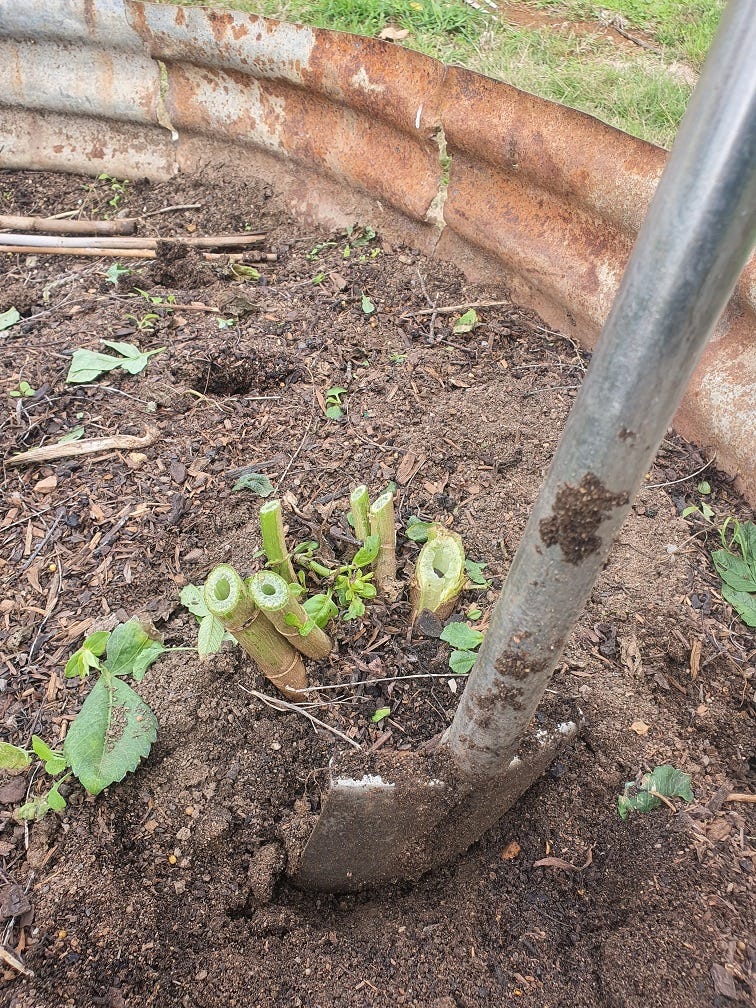
Now is the time to dig up Dahlias if you haven’t already done this. These will need to be lifted, divided, washed, dried, divided and stored. I normally cut the tubers down into individual tubers being careful to include the necks of each tuber. I then label each tuber either by writing on the actual tuber with a sharpie or tage the tray they will be stored in. I use the plastic foldable rectangular containers with a lining of saw dust in the bottom and over the top of the tubers. If the saw dust feels a bit dry I lightly sprinkle some water over the top. The Dahlias need to be stored in a cool dry dark location.
As the growth does start to slow down in the garden it is a good time to get to all of those tasks that you never have time to do in the busier warmer months. Tasks you have put on the back burner. A couple of things that come to mind are; repair any irrigation systems breaks, tighten up any leaking taps, clean off the moss from paving.
Be aware of frost on hoses, exposed pipes and taps. If you do get heavy frosts wrapping exposed pipes and taps with some hessian can prevent them from being damaged by frost. Also if you normally leave hoses rolled up close to the taps covering them over or moving them into a garage or shed will help preserve their life span. A heavy frost can cause the outer layer of plastic to crack.
Spring bulbs – get them in NOW. I have finally planted out my hundreds of daffodil bulbs– a little late but should still be ok. This year I have planted them out in groups along the edge of the front lawn. This should hopefully prove to give us an amazing display of their yellow trumpets come spring. I have also planted out bulbs of Tulips, corms of Ranunculus and Anemones ,and Italian Poppies
Continue to take cuttings or division of perennials such as sedums, society garlic and all the salvias.
Lift and Divide herbaceous perennial herbs like marjoram, catmint, oregano, mint, bergamot and chives
Lift and divide Strawberries. Remove dead or damaged foliage. Replant with a good quality compost . Continue to Fertilise Strawberries with high potassium fertiliser to promote flowering and fruit size. Apply organic pelletised fertilisers or well-composted animal manures regularly. Also monthly applications of seaweed emulsions will help strength the plant roots.
Start the winter pruning on your deciduous trees
Pick your olives. Ours are the “Manzanillo” variety and they are ripe now for the picking. After picking we will also do a light prune on the trees


PLANT PROFILE - GLADIOLI DELANII (Dragon Heads Lily)
This corm is a native of South Africa. It is a clump forming perennial that has sword shaped leaves through the warmer months with tall spires of flowers through autumn and early winter. The spikes of flowers are either orange edged with a yellow flush or plain scarlet orange flowers. It is best grown in full sun with very well draining soil. Its flowers are well suited for picking and will have a long vase life. They are quite drought tolerant.
“UP THE GARDEN PATH GARDEN QUESTIONS“ FOR APRIL
Continuing on with my “Up The Garden Path” column that I write for our local paper, “The Hilltops Phoenix”. In this column I will answer a few of your garden questions. If you would like to send me any of your garden or garden design questions please do so my replying to this email or send to me on glenice@glenicebuckdesigns.com.au
If you require plant recommendations then please include your location, soil type, aspect etc.
QUESTION FROM COREY AT COWRA - I have planted out avenues of trees throughout my garden - Do I need to stake my newly plant trees ?
Ideally I try to avoid using stakes on new plantings as often stakes can do more damage than good. If they are not installed correctly they can cause the tree to become weaker and or prevent them from developing strong root systems as they become reliant on the stake. You also need to be careful that they are not tied off too tight as they can also rub against trunks and branches which can cause damage. If you have planted the trees in a very windy location or where they can be knocked by pedestrians or kids sporting activities then they might need to be staked. These could then be staked for a period of time however they will need to be monitored.
If you do stake always use sturdy timber stake or metal star pickets - place them outside the root ball. Use 3 stakes or 2 if it is a more linear type planting.Tie the tree to stakes with a stocking or hessian. Use a figure 8 loop which wraps around the trunk and then around the stake. Tie the hessian off at the stake. Make sure they are not too tight. If trees are staked they should be checked regularly as the ties can slip and or stakes can become loose.
QUESTION FROM LEANNE IN LITHGOW - Can I grow Hellebores in my garden here in Lithgow, NSW. I was going to plant them under deciduous trees where they would receive shade from western sun.
Yes I think your location and that garden area would be well suited for Hellebores. They enjoy a cooler climate and protection from hot afternoon sun and wind. They also don’t like humidity too much. I would suggest using a highly organic soil with compost . Keep the plants well watered and mulched whilst establishing. In autumn cut back leaves to ground level opening the plants up for the flowers to appear in winter. In Autumn you can also lift and divide plants. We normally fertilise with a slow release fertiliser every 6 months and a pelletised organic animal manure fertiliser once a season.